Categories
Color Mixing

Sap Green Watercolor – Paint Characteristics & Color Mixing

Sap Green watercolor is a warm green color similar to Hooker’s Green Light, but it is less transparent and will not stain other colors it is mixed with.

It is one of the “yellow greens” in the semi-transparent non-staining watercolor palette used for the glazing technique and mixing with other colors.

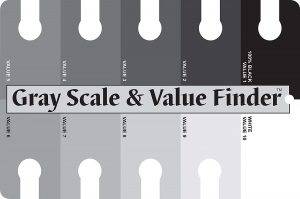
Measured against a gray scale value finder, semi-transparent non-staining watercolors are generally mid-light in value ranging from 20% to a maximum of 80% value.

gray scale value finder

So, the colors in the semi-transparent non-staining category are adequate for a mid-tone palette, except for where darker passages require colors with values higher on the gray scale.

PAINT CHARACTERISTICS

Sap Green is slightly more opaque than transparent non-staining watercolors and requires more restraint to remain luminous when mixing with other colors.

Semi-transparent non-staining watercolors have similar characteristics to transparent non-staining watercolors, but with a wider range of colors to add to a palette.

Sap Green can be layered in several glazes using other semi-transparent non-staining watercolors if each layer is allowed to dry thoroughly before applying the next layer.

COLOR MIXING WITH SAP GREEN WATERCOLOR

For interesting greens or glowing reds, try mixing Sap Green with Alizarin Crimson or Carmine, earth colors such as Raw Sienna or Burnt Sienna, and yellows such as Aureolin or New Gamboge.

Mix red-violet watercolors such as Permanent Magenta or Cobalt Violet with Sap Green to create interesting mid-value semi-transparent gray colors. For a darker gray, mix it with Permanent Mauve.

Sap Green can also be successfully mixed with watercolors in both the transparent and semi-transparent non-staining categories.

It also makes beautiful, luminous washes when glazed with the other watercolors in the transparent non-staining category.

Mixed with semi-opaque or opaque colors, it will create a combination that is cleaner and more transparent than using only opaque colors.

Purchase watercolor paints using my affiliate links below:

… and the recommended semi-transparent non-staining watercolor for mixing grays with Sap Green

… or for a semi-opaque gray mixture use

… also the transparent non-staining category of watercolors for glazing or color mixing with Sap Green

To learn more about transparent watercolors, click the link to my blog post “Which Watercolor Paints Are Transparent.”

See my YouTube playlist “Watercolor Paint Characteristics & Color Mixing” for more videos. And, subscribe to my YouTube channel.

Categories
Color Mixing

Antwerp Blue Watercolor – Paint Characteristics & Color Mixing

Antwerp Blue watercolor is the darkest tonal value blue in its category of watercolors, it is blue-green similar in color to turquoise and has a sensational granular texture.

It is one of the three “blues” in the semi-transparent non-staining watercolor palette used for the glazing technique and mixing with other colors.

Measured against a gray scale value finder, semi-transparent non-staining watercolors are generally mid-light in value ranging from 20% to a maximum of 80% value.

gray scale value finder

So, the colors in the semi-transparent non-staining category are adequate for a mid-tone palette, except for where darker passages require colors with values higher on the gray scale.

PAINT CHARACTERISTICS

Antwerp Blue is slightly more opaque than transparent non-staining watercolors and requires more restraint to remain luminous when mixing with other colors.

Semi-transparent non-staining watercolors have similar characteristics to transparent non-staining watercolors, but with a wider range of colors to add to a palette.

Antwerp Blue can be layered in several glazes using other semi-transparent non-staining watercolors if each layer is allowed to dry thoroughly before applying the next layer.

COLOR MIXING WITH ANTWERP BLUE WATERCOLOR

Add yellows such as Aureolin or New Gamboge and reds such as Permanent Rose or Vermilion to Antwerp Blue to mix a variety of green and purple colors.

Mix Antwerp Blue with a red-orange color such as Quinacridone Burnt Scarlet to create interesting mid-value semi-transparent gray colors. For a more opaque gray mixture, use Cadmium Red Medium.

Antwerp Blue can also be successfully mixed with watercolors in both the transparent and semi-transparent non-staining categories.

It also makes beautiful, luminous washes when glazed with the other watercolors in the transparent non-staining category.

Mixed with semi-opaque or opaque colors, it will create a combination that is cleaner and more transparent than using only opaque colors.

Purchase watercolor paints using my affiliate links below:

… and the recommended semi-transparent non-staining watercolor for mixing grays with Antwerp Blue

… or for an opaque gray mixture use

… also the transparent non-staining category of watercolors for glazing or color mixing with Antwerp Blue

To learn more about transparent watercolors, click the link to my blog post “Which Watercolor Paints Are Transparent.”

See my YouTube playlist “Watercolor Paint Characteristics & Color Mixing” for more videos. And, subscribe to my YouTube channel.

Categories
Color Mixing

Cyanine Blue Watercolor – Paint Characteristics & Color Mixing

Cyanine Blue watercolor is similar to phthalo blue in hue and tonal value, but it is less transparent and not a staining color.

It is one of the three “blues” in the semi-transparent non-staining watercolor palette used for the glazing technique and mixing with other colors.

Measured against a gray scale value finder, semi-transparent non-staining watercolors are generally mid-light in value ranging from 20% to a maximum of 80% value.

gray scale value finder

So, the colors in the semi-transparent non-staining category are adequate for a mid-tone palette, except for where darker passages require colors with values higher on the gray scale.

PAINT CHARACTERISTICS

Cyanine Blue is slightly more opaque than transparent non-staining watercolors and requires more restraint to remain luminous when mixing with other colors.

Semi-transparent non-staining watercolors have similar characteristics to transparent non-staining watercolors, but with a wider range of colors to add to a palette.

Cyanine Blue can be layered in several glazes using other semi-transparent non-staining watercolors if each layer is allowed to dry thoroughly before applying the next layer.

COLOR MIXING WITH CYANINE BLUE WATERCOLOR

Add yellows such as Aureolin or New Gamboge and reds such as Permanent Rose or Vermilion to Cyanine Blue to mix a variety of green and purple colors.

Mix Cyanine Blue with an orange mixture of New Gamboge plus Vermilion to create interesting mid-value semi-transparent gray colors. For a darker gray, mix it with Quinacridone Burnt Orange.

Cyanine Blue can also be successfully mixed with watercolors in both the transparent and semi-transparent non-staining categories.

It also makes beautiful, luminous washes when glazed with the other watercolors in the transparent non-staining category.

Mixed with semi-opaque or opaque colors, it will create a combination that is cleaner and more transparent than using only opaque colors.

Purchase watercolor paints using my affiliate links below:

… and the recommended semi-transparent non-staining watercolor for mixing grays with Cyanine Blue

… also the transparent non-staining category of watercolors for glazing or color mixing with Cyanine Blue

To learn more about transparent watercolors, click the link to my blog post “Which Watercolor Paints Are Transparent.”

See my YouTube playlist “Watercolor Paint Characteristics & Color Mixing” for more videos. And, subscribe to my YouTube channel.

Categories
Color Mixing

Prussian Blue Watercolor – Paint Characteristics & Color Mixing

Prussian Blue watercolor is similar to phthalo blue in hue and tonal value, but it is less transparent and not a staining color.

It is one of the three “blues” in the semi-transparent non-staining watercolor palette used for the glazing technique and mixing with other colors.

Measured against a gray scale value finder, semi-transparent non-staining watercolors are generally mid-light in value ranging from 20% to a maximum of 80% value.

gray scale value finder

So, the colors in the semi-transparent non-staining category are adequate for a mid-tone palette, except for where darker passages require colors with values higher on the gray scale.

PAINT CHARACTERISTICS

Prussian Blue is slightly more opaque than transparent non-staining watercolors and requires more restraint to remain luminous when mixing with other colors.

Semi-transparent non-staining watercolors have similar characteristics to transparent non-staining watercolors, but with a wider range of colors to add to a palette.

Prussian Blue can be layered in several glazes using other semi-transparent non-staining watercolors if each layer is allowed to dry thoroughly before applying the next layer.

COLOR MIXING WITH PRUSSIAN BLUE WATERCOLOR

Add yellows such as Aureolin or New Gamboge and reds such as Permanent Rose or Vermilion to Prussian Blue to mix a variety of green and purple colors.

Mix Prussian Blue with an orange mixture of New Gamboge plus Vermilion to create interesting mid-value semi-transparent gray colors. For a darker gray, mix it with Quinacridone Burnt Orange.

Prussian Blue can also be successfully mixed with watercolors in both the transparent and semi-transparent non-staining categories.

It also makes beautiful, luminous washes when glazed with the other watercolors in the transparent non-staining category.

Mixed with semi-opaque or opaque colors, it will create a combination that is cleaner and more transparent than using only opaque colors.

Purchase watercolor paints using my affiliate links below:

… and the recommended semi-transparent non-staining watercolor for mixing grays with Prussian Blue

… also the transparent non-staining category of watercolors for glazing or color mixing with Prussian Blue

To learn more about transparent watercolors, click the link to my blog post “Which Watercolor Paints Are Transparent.”

See my YouTube playlist “Watercolor Paint Characteristics & Color Mixing” for more videos. And, subscribe to my YouTube channel.

Categories
Color Mixing

Permanent Mauve Watercolor – Paint Characteristics & Color Mixing

Permanent Mauve watercolor is similar in color to Cobalt Violet, a semi-opaque color, but its transparency differs in that it is semi-transparent and darker in tone.

It is the “purple” in the semi-transparent non-staining watercolor palette used for the glazing technique and mixing with other colors.

Measured against a gray scale value finder, semi-transparent non-staining watercolors are generally mid-light in value ranging from 20% to a maximum of 80% value.

gray scale value finder

So, the colors in the semi-transparent non-staining category are adequate for a mid-tone palette, except for where darker passages require colors with values higher on the gray scale.

PAINT CHARACTERISTICS

Permanent Mauve is slightly more opaque than transparent non-staining watercolors and requires more restraint to remain luminous when mixing with other colors.

Semi-transparent non-staining watercolors have similar characteristics to transparent non-staining watercolors, but with a wider range of colors to add to a palette.

Permanent Mauve can be layered in several glazes using other semi-transparent non-staining watercolors if each layer is allowed to dry thoroughly before applying the next layer.

COLOR MIXING WITH PERMANENT MAUVE WATERCOLOR

Add Opera Rose to Permanent Mauve to mix a variety of lighter pink-purple colors. Or, add Permanent Magenta to mix a redder purple color.

Mix Permanent Mauve with yellow watercolors such as Aureolin or New Gamboge to create interesting mid-value semi-transparent gray colors.

Permanent Mauve can also be successfully mixed with watercolors in both the transparent and semi-transparent non-staining categories.

It also makes beautiful, luminous washes when glazed with the other watercolors in the transparent non-staining category.

Mixed with semi-opaque or opaque colors, it will create a combination that is cleaner and more transparent than using only opaque colors.

Purchase watercolor paints using my affiliate links below:

… and the recommended semi-transparent non-staining watercolor for mixing grays with Permanent Mauve

… also the transparent non-staining category of watercolors for glazing or color mixing with Permanent Mauve

To learn more about transparent watercolors, click the link to my blog post “Which Watercolor Paints Are Transparent.”

See my YouTube playlist “Watercolor Paint Characteristics & Color Mixing” for more videos. And, subscribe to my YouTube channel.

Categories
Color Mixing

Opera Rose Watercolor – Paint Characteristics & Color Mixing

Opera Rose watercolor is an intense pink that is a fantastic color to use in flesh-tone mixtures. It is similar in color to Permanent Rose, but it is more saturated and less transparent.

It is the “rose pink” in the semi-transparent non-staining watercolor palette used for the glazing technique and mixing with other colors.

Measured against a gray scale value finder, semi-transparent non-staining watercolors are generally mid-light in value ranging from 20% to a maximum of 80% value.

gray scale value finder

So, the colors in the semi-transparent non-staining category are adequate for a mid-tone palette, except for where darker passages require colors with values higher on the gray scale.

PAINT CHARACTERISTICS

Opera Rose is slightly more opaque than transparent non-staining watercolors and requires more restraint to remain luminous when mixing with other colors.

Semi-transparent non-staining watercolors have similar characteristics to transparent non-staining watercolors, but with a wider range of colors to add to a palette.

Opera Rose can be layered in several glazes using other semi-transparent non-staining watercolors if each layer is allowed to dry thoroughly before applying the next layer.

COLOR MIXING WITH OPERA ROSE WATERCOLOR

Add Permanent Magenta or Permanent Mauve to Opera Rose to mix a variety of deeper violet-pink colors.

Mix Opera Rose with yellow-green watercolors such as Green Gold or Sap Green to create interesting mid-value semi-transparent gray colors. For a more opaque, darker gray, mix it with Olive Green.

Opera Rose can also be successfully mixed with watercolors in both the transparent and semi-transparent non-staining categories.

It also makes beautiful, luminous washes when glazed with the other watercolors in the transparent non-staining category.

Mixed with semi-opaque or opaque colors, it will create a combination that is cleaner and more transparent than using only opaque colors.

Purchase watercolor paints using my affiliate links below:

… and the recommended semi-transparent non-staining watercolor for mixing grays with Opera Rose

… also the transparent non-staining category of watercolors for glazing or color mixing with Opera Rose

To learn more about transparent watercolors, click the link to my blog post “Which Watercolor Paints Are Transparent.”

See my YouTube playlist “Watercolor Paint Characteristics & Color Mixing” for more videos. And, subscribe to my YouTube channel.

Categories
Color Mixing

Permanent Magenta Watercolor – Paint Characteristics & Color Mixing

Permanent Magenta watercolor is similar in color to Quinacridone Violet, a semi-opaque color, but its transparency differs in that it is semi-transparent.

It is the “violet” in the semi-transparent non-staining watercolor palette used for the glazing technique and mixing with other colors.

Measured against a gray scale value finder, semi-transparent non-staining watercolors are generally mid-light in value ranging from 20% to a maximum of 80% value.

gray scale value finder

So, the colors in the semi-transparent non-staining category are adequate for a mid-tone palette, except for where darker passages require colors with values higher on the gray scale.

PAINT CHARACTERISTICS

Permanent Magenta is slightly more opaque than transparent non-staining watercolors and requires more restraint to remain luminous when mixing with other colors.

Semi-transparent non-staining watercolors have similar characteristics to transparent non-staining watercolors, but with a wider range of colors to add to a palette.

Permanent Magenta can be layered in several glazes using other semi-transparent non-staining watercolors if each layer is allowed to dry thoroughly before applying the next layer.

COLOR MIXING WITH PERMANENT MAGENTA WATERCOLOR

Add Opera Rose to Permanent Magenta to mix a variety of lighter pink-violet colors. Or, add Permanent Mauve to mix deeper purple-violet colors.

Mix Permanent Magenta with yellow-green watercolors such as Green Gold or Sap Green to create interesting mid-value semi-transparent gray colors. For a more opaque, darker gray, mix it with Olive Green.

Permanent Magenta can also be successfully mixed with watercolors in both the transparent and semi-transparent non-staining categories.

It also makes beautiful, luminous washes when glazed with the other watercolors in the transparent non-staining category.

Mixed with semi-opaque or opaque colors, it will create a combination that is cleaner and more transparent than using only opaque colors.

Purchase watercolor paints using my affiliate links below:

… and the recommended semi-transparent non-staining watercolor for mixing grays with Permanent Magenta

… also the transparent non-staining category of watercolors for glazing or color mixing with Permanent Magenta

To learn more about transparent watercolors, click the link to my blog post “Which Watercolor Paints Are Transparent.”

See my YouTube playlist “Watercolor Paint Characteristics & Color Mixing” for more videos. And, subscribe to my YouTube channel.

Categories
Color Mixing

Quinacridone Burnt Scarlet Watercolor – Paint Characteristics & Color Mixing

Quinacridone Burnt Scarlet watercolor is a warm, earth color more radiant than Burnt Sienna, and it is useful for flesh tones and landscape palettes.

It is the “red brown” in the semi-transparent non-staining watercolor palette used for the glazing technique and mixing with other colors.

Measured against a gray scale value finder, semi-transparent non-staining watercolors are generally mid-light in value ranging from 20% to a maximum of 80% value.

gray scale value finder

So, the colors in the semi-transparent non-staining category are adequate for a mid-tone palette, except for where darker passages require colors with values higher on the gray scale.

PAINT CHARACTERISTICS

Quinacridone Burnt Scarlet is very similar to Quinacridone Burnt Orange in a saturated wash, but when thinned appears very different.

Quinacridone colors leave a trace of color behind when lifted but will not stain other watercolors. So, Quinacridone Burnt Scarlet harmonizes very well with other pigments.

Semi-transparent non-staining watercolors have similar characteristics to transparent non-staining watercolors, but with a wider range of colors to add to a palette.

Quinacridone Burnt Scarlet can be layered in several glazes using other semi-transparent non-staining watercolors if each layer is allowed to dry thoroughly before applying the next layer.

COLOR MIXING WITH QUINACRIDONE BURNT SCARLET WATERCOLOR

Add Green Gold to Quinacridone Burnt Scarlet to mix a variety of earth-tone greenish brown colors. Add Aureolin or New Gamboge to lighten it. Also, try mixing it with Sap Green to darken it.

Mix Quinacridone Burnt Scarlet with Cobalt Blue or French Ultramarine to create interesting mid-value semi-transparent gray colors. For a darker gray, add a touch of Prussian Blue to the mix.

Quinacridone Burnt Scarlet can also be successfully mixed with watercolors in both the transparent and semi-transparent non-staining categories.

It also makes beautiful, luminous washes when glazed with the other watercolors in the transparent non-staining category.

Mixed with semi-opaque or opaque colors, it will create a combination that is cleaner and more transparent than using only opaque colors.

Purchase watercolor paints using my affiliate links below:

… and the recommended semi-transparent non-staining watercolor for mixing grays with Quinacridone Burnt Scarlet

… also the transparent non-staining category of watercolors for glazing or color mixing with Quinacridone Burnt Scarlet

To learn more about transparent watercolors, click the link to my blog post “Which Watercolor Paints Are Transparent.”

See my YouTube playlist “Watercolor Paint Characteristics & Color Mixing” for more videos. And, subscribe to my YouTube channel.

Categories
Color Mixing

Vermilion Hue Watercolor – Paint Characteristics & Color Mixing

Vermilion Hue watercolor is a warm red color that works well for flesh tones when it is combined with yellow, green, and blue watercolors.

It is the “red” in the semi-transparent non-staining watercolor palette used for the glazing technique and mixing with other colors.

Measured against a gray scale value finder, semi-transparent non-staining watercolors are generally mid-light in value ranging from 20% to a maximum of 80% value.

gray scale value finder

So, the colors in the semi-transparent non-staining category are adequate for a mid-tone palette, except for where darker passages require colors with values higher on the gray scale.

PAINT CHARACTERISTICS

Vermilion Hue is slightly more opaque than transparent non-staining watercolors and requires more restraint to remain luminous when mixing with other colors.

Semi-transparent non-staining watercolors have similar characteristics to transparent non-staining watercolors, but with a wider range of colors to add to a palette.

Vermilion Hue can be layered in several glazes using other semi-transparent non-staining watercolors if each layer is allowed to dry thoroughly before applying the next layer.

COLOR MIXING WITH VERMILION HUE WATERCOLOR

Add New Gamboge to Vermilion Hue to mix a variety of warm orange colors. Or try adding Aureolin to mix lighter cooler orange colors.

To create a golden color, mix Vermilion Hue with New Gamboge and Olive Green.

Mix Vermilion Hue with Sap Green to create interesting mid-value transparent green-gray colors. Or mix it with Manganese Blue to create mid-value blue-gray colors.

Vermilion Hue can also be successfully mixed with watercolors in both the transparent and semi-transparent non-staining categories.

It also makes beautiful, luminous washes when glazed with the other watercolors in the transparent non-staining category.

Mixed with semi-opaque or opaque colors, it will create a combination that is cleaner and more transparent than using only opaque colors.

Purchase watercolor paints using my affiliate links below:

… and the recommended semi-transparent non-staining watercolor for mixing grays with Vermilion Hue

… also the transparent non-staining category of watercolors for glazing or color mixing with Vermilion Hue

To learn more about transparent watercolors, click the link to my blog post “Which Watercolor Paints Are Transparent.”

See my YouTube playlist “Watercolor Paint Characteristics & Color Mixing” for more videos. And, subscribe to my YouTube channel.

Categories
Color Mixing

Quinacridone Burnt Orange Watercolor – Paint Characteristics & Color Mixing

Quinacridone Burnt Orange watercolor is a warm, earth color more radiant than Burnt Sienna, and it is useful for flesh tones and landscape palettes.

It is the “orange brown” in the semi-transparent non-staining watercolor palette used for the glazing technique and mixing with other colors.

Measured against a gray scale value finder, semi-transparent non-staining watercolors are generally mid-light in value ranging from 20% to a maximum of 80% value.

gray scale value finder

So, the colors in the semi-transparent non-staining category are adequate for a mid-tone palette, except for where darker passages require colors with values higher on the gray scale.

PAINT CHARACTERISTICS

Quinacridone colors leave a trace of color behind when lifted but will not stain other watercolors. So, Quinacridone Burnt Orange harmonizes very well with other pigments.

Semi-transparent non-staining watercolors have similar characteristics to transparent non-staining watercolors, but with a wider range of colors to add to a palette.

Quinacridone Burnt Orange can be layered in several glazes using other semi-transparent non-staining watercolors if each layer is allowed to dry thoroughly before applying the next layer.

COLOR MIXING WITH QUINACRIDONE BURNT ORANGE WATERCOLOR

Add Green Gold to Quinacridone Burnt Orange to mix a variety of earth-tone greenish brown colors. Add Aureolin or New Gamboge to lighten it. Also, try mixing it with Sap Green to darken it.

Mix Quinacridone Burnt Orange with Cobalt Blue or French Ultramarine to create interesting mid-value semi-transparent gray colors. For a darker gray, add a touch of Prussian Blue to the mix.

Quinacridone Burnt Orange can also be successfully mixed with watercolors in both the transparent and semi-transparent non-staining categories.

It also makes beautiful, luminous washes when glazed with the other watercolors in the transparent non-staining category.

Mixed with semi-opaque or opaque colors, it will create a combination that is cleaner and more transparent than using only opaque colors.

Purchase watercolor paints using my affiliate links below:

… and the recommended semi-transparent non-staining watercolor for mixing grays with Quinacridone Burnt Orange

… also the transparent non-staining category of watercolors for glazing or color mixing with Quinacridone Burnt Orange

To learn more about transparent watercolors, click the link to my blog post “Which Watercolor Paints Are Transparent.”

See my YouTube playlist “Watercolor Paint Characteristics & Color Mixing” for more videos. And, subscribe to my YouTube channel.

error: Content is protected !!