Categories
Color Mixing

Color Mixing Magic

Creating Harmonious Watercolor Palettes

Whether you’re a beginner or an experienced artist, understanding the art of color mixing is a fundamental skill that will elevate your watercolor paintings to new heights. In this blog post, we’ll explore the fascinating world of color mixing, allowing you to create a personalized color palette and harmonious combinations that will make your paintings come alive.

The Art of Color Mixing

Watercolor is famous for its ability to produce a wide range of colors by expertly combining a small number of pigments. Before we go into the mixing process, let’s start with the basics:

Understanding the Color Wheel

The color wheel is your essential tool for understanding how different colors interact and complement each other. It’s divided into primary colors (red, blue, and yellow), secondary colors (green, orange, and purple), and tertiary colors (created by mixing a primary and a neighboring secondary color). By studying the color wheel, you’ll gain insights into how to create harmonious color combinations.

Primary Colors

  • Red: The warm, passionate hue of red is a primary color. When mixed with blue, it creates various shades of purple. When mixed with yellow, it forms vibrant oranges.
  • Blue: Blue, the color of the sky and sea, is another primary color. Mixing blue with red results in rich purples, while mixing it with yellow produces a range of greens.
  • Yellow: Yellow, the color of sunshine, is the final primary color. Combining yellow with red gives you fiery oranges, and mixing it with blue yields an array of lush greens.

Secondary and Tertiary Colors

Secondary colors are created by mixing two primary colors, producing variations in shade based on the ratio of one color to the other.

  • Green: Mixing blue and yellow creates a range of greens to yellow-greens.
  • Orange: Red and yellow combine to form vibrant oranges.
  • Purple: The magical blend of red and blue produces a spectrum of purples.

Tertiary colors, on the other hand, are achieved by mixing a primary color with a neighboring secondary color. These colors offer a wide range of possibilities, allowing you to fine-tune your palette.

Crafting Your Personalized Palette

Now that you’ve acquainted yourself with the basics of color mixing, it’s time to develop your personalized color palette. Consider the mood and atmosphere you want to convey in your artwork. Do you want serene and calming blues and greens, or perhaps fiery reds and oranges for a burst of energy?

Experiment with different combinations, mixing colors on a separate palette, to see the results before applying them to your artwork. Keep a watercolor journal to record your favorite mixtures and their proportions, creating a handy reference for future projects.

Remember, color mixing is both an art and a science, and practice makes perfect. As you continue to explore and experiment, you’ll develop an intuitive sense of color and discover the unique palette that best expresses your artistic vision.

In the world of watercolor, color mixing is a journey of endless possibilities. It’s an adventure filled with surprises, discoveries, and the joy of bringing your imagination to life. So, grab your brushes and paints, and let’s embark on this colorful journey together!
Related Posts

Categories
Color Mixing

Winsor Green YS Watercolor – Paint Characteristics & Color Mixing

Winsor Green YS (yellow shade) watercolor is a transparent “primary” green with a much warmer temperature than Winsor Green BS. It is a saturated, intense, staining color.

It is one of the “greens” in the transparent staining watercolor palette used for the glazing technique and mixing with other colors in its category.

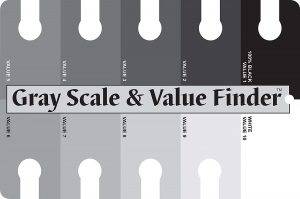
Measured against a gray scale value finder, transparent staining watercolors range in value from 10% light to a maximum of 90% dark.

gray scale value finder

Colors in the transparent staining category can portray intensity and dark values without becoming muddy and are adequate for a full palette except for where opacity is desired.

PAINT CHARACTERISTIC

Winsor Green YS watercolor is a supersaturated, stronger color than watercolors in the non-staining category and more restraint is required when mixing or glazing it with other watercolors.

Transparent staining watercolors will stain the fibers of the paper they are applied to, and stain, overpower and dull non-staining watercolors they are mixed with.

For the best results, Winsor Green YS watercolor can be glazed and mixed with colors in the transparent staining watercolor category.

COLOR MIXING WITH WINSOR GREEN YS WATERCOLOR

Add Winsor Yellow to Winsor Green YS to mix a variety of lighter warmer green colors. Or, add Winsor Blue GS for darker green colors.

Mix Winsor Green YS watercolor with Carmine to create interesting mid-value transparent gray colors. For a darker gray, mix it with Alizarin Crimson.

Transparent staining watercolors can be layered one over another, wet over bone dry, successfully as long as the number of layers and density is controlled.

Before applying a layer of color from another category, use the transparent staining watercolor as the first layer.

Interesting textures and effects can be achieved by painting opaque colors over a layer of transparent staining watercolor and allowing some of the staining color to peek through using various lifting methods.

Semi-opaque or opaque colors are composed of coarser pigments that are stained and discolored when mixed with transparent staining watercolors. So, they are the least successful combinations.

Purchase watercolor paints using my affiliate links below:

… and the recommended transparent staining watercolor for mixing grays with Winsor Green YS

… in addition to the above list of colors, the following transparent staining watercolors are best for glazing or color mixing with Winsor Green YS

To learn more about transparent watercolors, click the link to my blog post “Which Watercolor Paints Are Transparent.”

See my YouTube playlist “Watercolor Paint Characteristics & Color Mixing” for more videos. And, subscribe to my YouTube channel.

Categories
Color Mixing

Hooker’s Green Light Watercolor – Paint Characteristics & Color Mixing

Hooker’s Green Light watercolor is a transparent green with a warmer temperature and more yellow than Hooker’s Green, and it is a more saturated, intense, staining color.

It is one of the “greens” in the transparent staining watercolor palette used for the glazing technique and mixing with other colors in its category.

Measured against a gray scale value finder, transparent staining watercolors range in value from 10% light to a maximum of 90% dark.

gray scale value finder

Colors in the transparent staining category can portray intensity and dark values without becoming muddy and are adequate for a full palette except for where opacity is desired.

PAINT CHARACTERISTIC

Hooker’s Green Light watercolor is a supersaturated, stronger color than watercolors in the non-staining category and more restraint is required when mixing or glazing it with other watercolors.

Transparent staining watercolors will stain the fibers of the paper they are applied to, and stain, overpower and dull non-staining watercolors they are mixed with.

For the best results, Hooker’s Green Light watercolor can be glazed and mixed with colors in the transparent staining watercolor category.

COLOR MIXING WITH HOOKER’S GREEN LIGHT WATERCOLOR

Hooker’s Green Light is a manufactured semi-neutral earth color. Subdued atmospheric color mixtures can be achieved by combining it with the complementary color, Cobalt Violet.

Mix Hooker’s Green Light watercolor with Cobalt Violet to create interesting mid-value transparent gray colors. For a darker gray, mix it with Winsor Violet.

Transparent staining watercolors can be layered one over another, wet over bone dry, successfully as long as the number of layers and density is controlled.

Before applying a layer of color from another category, use the transparent staining watercolor as the first layer.

Interesting textures and effects can be achieved by painting opaque colors over a layer of transparent staining watercolor and allowing some of the staining color to peek through using various lifting methods.

Semi-opaque or opaque colors are composed of coarser pigments that are stained and discolored when mixed with transparent staining watercolors. So, they are the least successful combinations.

Purchase watercolor paints using my affiliate links below:

… and the recommended transparent staining watercolor for mixing grays with Hooker’s Green Light

… in addition to the above list of colors, the following transparent staining watercolors are best for glazing or color mixing with Hooker’s Green Light

To learn more about transparent watercolors, click the link to my blog post “Which Watercolor Paints Are Transparent.”

See my YouTube playlist “Watercolor Paint Characteristics & Color Mixing” for more videos. And, subscribe to my YouTube channel.

Categories
Color Mixing

Permanent Green #1 Watercolor – Paint Characteristics & Color Mixing

Permanent Green #1 watercolor is a transparent yellow-green that has a warm temperature in comparison to other green colors. It is similar to Permanent Green Light, but it is a more saturated, intense, staining color.

It is one of the “greens” in the transparent staining watercolor palette used for the glazing technique and mixing with other colors in its category.

Measured against a gray scale value finder, transparent staining watercolors range in value from 10% light to a maximum of 90% dark.

gray scale value finder

Colors in the transparent staining category can portray intensity and dark values without becoming muddy and are adequate for a full palette except for where opacity is desired.

PAINT CHARACTERISTIC

Permanent Green #1 watercolor is a supersaturated, stronger color than watercolors in the non-staining category and more restraint is required when mixing or glazing it with other watercolors.

Transparent staining watercolors will stain the fibers of the paper they are applied to, and stain, overpower and dull non-staining watercolors they are mixed with.

For the best results, Permanent Green #1 watercolor can be glazed and mixed with colors in the transparent staining watercolor category.

COLOR MIXING WITH PERMANENT GREEN #1 WATERCOLOR

Add Winsor Yellow to Permanent Green #1 watercolor for a lighter, warmer green. Or, add Winsor Green BS for a darker, cooler green mixture.

Mix Permanent Green #1 watercolor with red-violet colors – Winsor Violet or Permanent Magenta – to create interesting mid-value transparent gray colors. For a darker gray, mix it with Permanent Violet.

Transparent staining watercolors can be layered one over another, wet over bone dry, successfully as long as the number of layers and density is controlled.

Before applying a layer of color from another category, use the transparent staining watercolor as the first layer.

Interesting textures and effects can be achieved by painting opaque colors over a layer of transparent staining watercolor and allowing some of the staining color to peek through using various lifting methods.

Semi-opaque or opaque colors are composed of coarser pigments that are stained and discolored when mixed with transparent staining watercolors. So, they are the least successful combinations.

Purchase watercolor paints using my affiliate links below:

… and the recommended transparent staining watercolor for mixing grays with Permanent Green #1

… in addition to the above list of colors, the following transparent staining watercolors are best for glazing or color mixing with Permanent Green #1

To learn more about transparent watercolors, click the link to my blog post “Which Watercolor Paints Are Transparent.”

See my YouTube playlist “Watercolor Paint Characteristics & Color Mixing” for more videos. And, subscribe to my YouTube channel.

Categories
Color Mixing

Winsor Green BS (Blue Shade) Watercolor – Paint Characteristics & Color Mixing

Winsor Green BS (blue shade) watercolor is a transparent green with a cooler temperature than Winsor Green YS (yellow shade). It is Winsor & Newton’s equivalent of phthalo green and is an indispensable near-primary green.

Winsor Green BS is similar in color to Hooker’s Green from the transparent non-staining category, but it is a more saturated, intense, transparent staining color.

It is one of the “greens” in the transparent staining watercolor palette used for the glazing technique and mixing with other colors in its category.

Measured against a gray scale value finder, transparent staining watercolors range in value from 10% light to a maximum of 90% dark.

gray scale value finder

Colors in the transparent staining category can portray intensity and dark values without becoming muddy and are adequate for a full palette except for where opacity is desired.

PAINT CHARACTERISTIC

Winsor Green BS watercolor is a supersaturated, stronger color than watercolors in the non-staining category and more restraint is required when mixing or glazing it with other watercolors.

Transparent staining watercolors will stain the fibers of the paper they are applied to, and stain, overpower and dull non-staining watercolors they are mixed with.

For the best results, Winsor Green BS watercolor can be glazed and mixed with colors in the transparent staining watercolor category.

COLOR MIXING WITH WINSOR GREEN BS WATERCOLOR

Winsor Green BS watercolor, like phthalo green, is used in beautiful clear glazes and mixtures of a variety of browns, greens, grays, and luminous blacks.

Add Winsor Yellow to Winsor Green BS to mix a variety of lighter warmer green colors. Or, add Winsor Blue GS for darker green colors.

Mix Winsor Green BS with one of these reds – Winsor Red, Carmine, or Alizarin Crimson – to create interesting transparent gray and black colors.

Transparent staining watercolors can be layered one over another, wet over bone dry, successfully as long as the number of layers and density is controlled.

Before applying a layer of color from another category, use the transparent staining watercolor as the first layer.

Interesting textures and effects can be achieved by painting opaque colors over a layer of transparent staining watercolor and allowing some of the staining color to peek through using various lifting methods.

Semi-opaque or opaque colors are composed of coarser pigments that are stained and discolored when mixed with transparent staining watercolors. So, they are the least successful combinations.

Purchase watercolor paints using my affiliate links below:

… and the recommended transparent staining watercolor for mixing grays with Winsor Green BS

… in addition to the above list of colors, the following transparent staining watercolors are best for glazing or color mixing with Winsor Green BS

To learn more about transparent watercolors, click the link to my blog post “Which Watercolor Paints Are Transparent.”

See my YouTube playlist “Watercolor Paint Characteristics & Color Mixing” for more videos. And, subscribe to my YouTube channel.

Categories
Color Mixing

Winsor Blue RS (Red Shade) Watercolor – Paint Characteristics & Color Mixing

Winsor Blue RS (red shade) watercolor is a transparent blue with a warmer temperature than Winsor Blue GS (green shade). It is Winsor & Newton’s equivalent of phthalo blue and is an indispensable near-primary blue.

Winsor Blue RS is similar in color to Cyanine Blue from the semi-transparent non-staining category, but it is a more saturated, intense, transparent staining color.

It is one of the “blues” in the transparent staining watercolor palette used for the glazing technique and mixing with other colors in its category.

Measured against a gray scale value finder, transparent staining watercolors range in value from 10% light to a maximum of 90% dark.

gray scale value finder

Colors in the transparent staining category can portray intensity and dark values without becoming muddy and are adequate for a full palette except for where opacity is desired.

PAINT CHARACTERISTICS

Winsor Blue RS is a supersaturated, stronger color than watercolors in the non-staining category and more restraint is required when mixing or glazing it with other watercolors.

Transparent staining watercolors will stain the fibers of the paper they are applied to, and stain, overpower and dull non-staining watercolors they are mixed with.

For the best results, Winsor Blue RS can be glazed and mixed with colors in the transparent staining watercolor category.

COLOR MIXING WITH WINSOR BLUE RS WATERCOLOR

Winsor Blue RS wets, mixes, stains, and dries like a phthalo blue which has interesting results when mixed with other primary colors.

Add Winsor Yellow or Winsor Red to Winsor Blue RS to mix a variety of transparent staining green and purple colors that are clear and vibrant.

Mix Winsor Blue RS with an orange mixture of Winsor Yellow plus Winsor Red to create interesting mid-value transparent gray colors. For a darker gray, mix it with Permanent Yellow Deep plus Winsor Red.

Transparent staining watercolors can be layered one over another, wet over bone dry, successfully as long as the number of layers and density is controlled.

Before applying a layer of color from another category, use the transparent staining watercolor as the first layer.

Interesting textures and effects can be achieved by painting opaque colors over a layer of transparent staining watercolor and allowing some of the staining color to peek through using various lifting methods.

Semi-opaque or opaque colors are composed of coarser pigments that are stained and discolored when mixed with transparent staining watercolors. So, they are the least successful combinations.

Purchase watercolor paints using my affiliate links below:

… and the recommended transparent staining watercolor for mixing grays with Winsor Blue RS

… in addition to the above list of colors, the following transparent staining watercolors are best for glazing or color mixing with Winsor Blue RS

To learn more about transparent watercolors, click the link to my blog post “Which Watercolor Paints Are Transparent.”

See my YouTube playlist “Watercolor Paint Characteristics & Color Mixing” for more videos. And, subscribe to my YouTube channel.

Categories
Color Mixing

Winsor Blue GS (Green Shade) Watercolor – Paint Characteristics & Color Mixing

Winsor Blue GS (green shade) watercolor is a transparent blue with a cooler temperature than Winsor Blue RS (red shade). It is Winsor & Newton’s equivalent of phthalo blue and is an indispensable near-primary blue.

Winsor Blue GS is similar in color to Cyanine Blue from the semi-transparent non-staining category, but it is a more saturated, intense, transparent staining color.

It is one of the “blues” in the transparent staining watercolor palette used for the glazing technique and mixing with other colors in its category.

Measured against a gray scale value finder, transparent staining watercolors range in value from 10% light to a maximum of 90% dark.

gray scale value finder

Colors in the transparent staining category can portray intensity and dark values without becoming muddy and are adequate for a full palette except for where opacity is desired.

PAINT CHARACTERISTICS

Winsor Blue GS is a supersaturated, stronger color than watercolors in the non-staining category and more restraint is required when mixing or glazing it with other watercolors.

Transparent staining watercolors will stain the fibers of the paper they are applied to, and stain, overpower and dull non-staining watercolors they are mixed with.

For the best results, Winsor Blue GS can be glazed and mixed with colors in the transparent staining watercolor category.

COLOR MIXING WITH WINSOR BLUE GS WATERCOLOR

Winsor Blue GS wets, mixes, stains, and dries like a phthalo blue which has interesting results when mixed with other primary colors.

Add Winsor Yellow or Winsor Red to Winsor Blue GS to mix a variety of transparent staining green and purple colors that are clear and vibrant.

Mix Winsor Blue GS with an orange mixture of Winsor Yellow plus Winsor Red to create interesting mid-value transparent gray colors. For a darker gray, mix it with Permanent Yellow Deep plus Winsor Red.

Transparent staining watercolors can be layered one over another, wet over bone dry, successfully as long as the number of layers and density is controlled.

Before applying a layer of color from another category, use the transparent staining watercolor as the first layer.

Interesting textures and effects can be achieved by painting opaque colors over a layer of transparent staining watercolor and allowing some of the staining color to peek through using various lifting methods.

Semi-opaque or opaque colors are composed of coarser pigments that are stained and discolored when mixed with transparent staining watercolors. So, they are the least successful combinations.

Purchase watercolor paints using my affiliate links below:

… and the recommended transparent staining watercolor for mixing grays with Winsor Blue GS

… in addition to the above list of colors, the following transparent staining watercolors are best for glazing or color mixing with Winsor Blue GS

To learn more about transparent watercolors, click the link to my blog post “Which Watercolor Paints Are Transparent.”

See my YouTube playlist “Watercolor Paint Characteristics & Color Mixing” for more videos. And, subscribe to my YouTube channel.

Categories
Color Mixing

Indanthrene Blue Watercolor – Paint Characteristics & Color Mixing

Indanthrene Blue watercolor is a transparent primary blue with a warmer temperature than most blues similar in color to French Ultramarine, but it is a more saturated, intense, staining color.

It is one of the “blues” in the transparent staining watercolor palette used for the glazing technique and mixing with other colors in its category.

Measured against a gray scale value finder, transparent staining watercolors range in value from 10% light to a maximum of 90% dark.

gray scale value finder

Colors in the transparent staining category can portray intensity and dark values without becoming muddy and are adequate for a full palette except for where opacity is desired.

PAINT CHARACTERISTICS

Indanthrene Blue is a supersaturated, stronger color than watercolors in the non-staining category and more restraint is required when mixing or glazing it with other watercolors.

Transparent staining watercolors will stain the fibers of the paper they are applied to, and stain, overpower and dull non-staining watercolors they are mixed with.

For the best results, Indanthrene Blue can be glazed and mixed with colors in the transparent staining watercolor category.

COLOR MIXING WITH INDANTHRENE BLUE WATERCOLOR

Indanthrene Blue wets, mixes, stains, and dries like a phthalo blue which has interesting results when mixed with other primary colors.

Add Winsor Yellow or Winsor Red to Indanthrene Blue to mix a variety of transparent staining green and purple colors that are clear and vibrant.

Mix Indanthrene Blue with an orange mixture of Winsor Yellow plus Winsor Red to create interesting mid-value transparent gray colors. For a darker gray, mix it with Permanent Yellow Deep plus Winsor Red.

Transparent staining watercolors can be layered one over another, wet over bone dry, successfully as long as the number of layers and density is controlled.

Before applying a layer of color from another category, use the transparent staining watercolor as the first layer.

Interesting textures and effects can be achieved by painting opaque colors over a layer of transparent staining watercolor and allowing some of the staining color to peek through using various lifting methods.

Semi-opaque or opaque colors are composed of coarser pigments that are stained and discolored when mixed with transparent staining watercolors. So, they are the least successful combinations.

Purchase watercolor paints using my affiliate links below:

… and the recommended transparent staining watercolor for mixing grays with Indanthrene Blue

… in addition to the above list of colors, the following transparent staining watercolors are best for glazing or color mixing with Indanthrene Blue

To learn more about transparent watercolors, click the link to my blog post “Which Watercolor Paints Are Transparent.”

See my YouTube playlist “Watercolor Paint Characteristics & Color Mixing” for more videos. And, subscribe to my YouTube channel.

Categories
Color Mixing

Permanent Violet Watercolor – Paint Characteristics & Color Mixing

Permanent Violet watercolor is a transparent purple with a warmer temperature, redder in color than Winsor Violet or Permanent Mauve, and it is a more saturated, intense, staining color.

It is one of the “violets (purple color)” in the transparent staining watercolor palette used for the glazing technique and mixing with other colors in its category.

Measured against a gray scale value finder, transparent staining watercolors range in value from 10% light to a maximum of 90% dark.

gray scale value finder

Colors in the transparent staining category can portray intensity and dark values without becoming muddy and are adequate for a full palette except for where opacity is desired.

PAINT CHARACTERISTICS

Permanent Violet is a supersaturated, stronger color than watercolors in the non-staining category and more restraint is required when mixing or glazing it with other watercolors.

Transparent staining watercolors will stain the fibers of the paper they are applied to, and stain, overpower and dull non-staining watercolors they are mixed with.

For the best results, Permanent Violet can be glazed and mixed with colors in the transparent staining watercolor category.

COLOR MIXING WITH PERMANENT VIOLET WATERCOLOR

Add Winsor Green BS to Permanent Violet to mix a variety of brown colors that appear delicate and filled with light.

Mix Winsor Yellow with Permanent Violet to create interesting mid-value transparent gray colors. For a darker gray, mix it with Permanent Yellow Deep.

Transparent staining watercolors can be layered one over another, wet over bone dry, successfully as long as the number of layers and density is controlled.

Before applying a layer of color from another category, use the transparent staining watercolor as the first layer.

Interesting textures and effects can be achieved by painting opaque colors over a layer of transparent staining watercolor and allowing some of the staining color to peek through using various lifting methods.

Semi-opaque or opaque colors are composed of coarser pigments that are stained and discolored when mixed with transparent staining watercolors. So, they are the least successful combinations.

Purchase watercolor paints using my affiliate links below:

… and the recommended transparent staining watercolor for mixing grays with Permanent Violet

… in addition to the above list of colors, the following transparent staining watercolors are best for glazing or color mixing with Permanent Violet

To learn more about transparent watercolors, click the link to my blog post “Which Watercolor Paints Are Transparent.”

See my YouTube playlist “Watercolor Paint Characteristics & Color Mixing” for more videos. And, subscribe to my YouTube channel.

Categories
Color Mixing

Winsor Violet Watercolor – Paint Characteristics & Color Mixing

Winsor Violet watercolor is a transparent purple with a warm temperature similar in color to Permanent Mauve, but it is a more saturated, intense, staining color.

It is one of the “violets (purple color)” in the transparent staining watercolor palette used for the glazing technique and mixing with other colors in its category.

Measured against a gray scale value finder, transparent staining watercolors range in value from 10% light to a maximum of 90% dark.

gray scale value finder

Colors in the transparent staining category can portray intensity and dark values without becoming muddy and are adequate for a full palette except for where opacity is desired.

PAINT CHARACTERISTICS

Winsor Violet is a supersaturated, stronger color than watercolors in the non-staining category and more restraint is required when mixing or glazing it with other watercolors.

Transparent staining watercolors will stain the fibers of the paper they are applied to, and stain, overpower and dull non-staining watercolors they are mixed with.

For the best results, Winsor Violet can be glazed and mixed with colors in the transparent staining watercolor category.

COLOR MIXING WITH WINSOR VIOLET WATERCOLOR

Add Winsor Green BS to Winsor Violet to mix a variety of brown colors that appear delicate and filled with light.

Mix Winsor Yellow with Winsor Violet to create interesting mid-value transparent gray colors. For a darker gray, mix it with Permanent Yellow Deep.

Transparent staining watercolors can be layered one over another, wet over bone dry, successfully as long as the number of layers and density is controlled.

Before applying a layer of color from another category, use the transparent staining watercolor as the first layer.

Interesting textures and effects can be achieved by painting opaque colors over a layer of transparent staining watercolor and allowing some of the staining color to peek through using various lifting methods.

Semi-opaque or opaque colors are composed of coarser pigments that are stained and discolored when mixed with transparent staining watercolors. So, they are the least successful combinations.

Purchase watercolor paints using my affiliate links below:

… and the recommended transparent staining watercolor for mixing grays with Winsor Violet

… in addition to the above list of colors, the following transparent staining watercolors are best for glazing or color mixing with Winsor Violet

To learn more about transparent watercolors, click the link to my blog post “Which Watercolor Paints Are Transparent.”

See my YouTube playlist “Watercolor Paint Characteristics & Color Mixing” for more videos. And, subscribe to my YouTube channel.

error: Content is protected !!