Categories
Watercolor Techniques

Watercolor Technique Light To Dark

The watercolor technique light-to-dark is the process of applying colors that are light in value, such as transparent watercolors thinned with a sufficient amount of water, on the first layers of a painting.

Each layer is allowed to dry completely before the next layer is applied.

Middle value colors are applied next, followed by darker value colors.

Painting light-to-dark is the basic process for painting in watercolor. Each successive layer of darker color adds more detail to the objects in the composition defining its shape and depth.

Why Watercolor Painting Requires a Light-To-Dark Approach

Watercolor is a transparent and subtractive medium, meaning light areas must be preserved from the very beginning of a painting. Unlike oil or acrylic paint, white watercolor paint is rarely used to create highlights. Instead, the white of the paper provides the lightest values in the composition.

Once a dark color is applied in watercolor, it is difficult—often impossible—to return that area to a lighter value without damaging the paper surface. Painting light-to-dark allows the artist to build depth gradually while maintaining clarity and luminosity throughout the painting.

This approach also helps prevent muddy colors, which can occur when dark pigments are layered too early or overworked.

Identifying Color Values

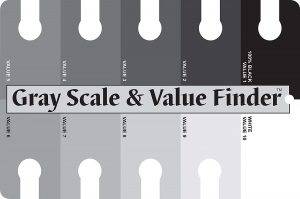
Hues on the color wheel are divided into light, middle and dark colors. The top section of the color wheel has light hues. The middle section of the color wheel has middle value hues. And, the bottom section of the color wheel has dark hues. As follows:

Light Value Hue

  • Yellow
  • Yellow-Green
  • Green
  • Yellow-Orange

Middle Value Hues

  • Orange
  • Red-Orange
  • Blue-Green
  • Blue

Dark Value Hues

  • Blue-Purple
  • Purple
  • Red-Purple
  • Red

See What Watercolors To Buy for a list of watercolor paint names for the hues listed above. Each hue also has colors within it that can range from light to dark. For instance, there are very light yellows and darker yellows in watercolor paints. But, yellow in general is the lightest color on the color wheel.

Understanding Value vs. Color in Watercolor Painting

Value refers to how light or dark a color appears, independent of its hue. Two different colors can have the same value even if they appear very different on the color wheel.

In watercolor painting, value is often more important than color. Strong value contrast helps define form, create depth, and guide the viewer’s eye through the composition. Many artists squint at their subject or reference photo to simplify shapes into light, middle, and dark value areas before painting.

Practicing value awareness helps prevent flat-looking paintings and strengthens overall composition.

Transparency, Opacity, and Pigment Choice

Transparent watercolor pigments are especially effective in the early, light stages of a painting because they allow light to pass through the pigment and reflect off the white paper beneath.

As darker values are added, semi-transparent or opaque pigments can be introduced to increase visual weight and contrast. Some pigments also granulate, creating texture that can appear darker or more intense even in lighter washes.

Understanding pigment behavior helps artists make informed choices when layering light-to-dark.

Water Control When Painting Light To Dark

Water control plays a critical role in successful light-to-dark watercolor painting.

  • Early layers contain more water and less pigment.
  • Middle values use a more balanced paint-to-water ratio.
  • Dark values contain more pigment and less water.

Applying too much water in later, darker layers can cause blooms or backruns that disrupt earlier washes. Allowing each layer to dry completely helps maintain clean edges and crisp value transitions.

Common Mistakes When Painting Light To Dark

Many beginners struggle with light-to-dark watercolor painting for the following reasons:

  • Starting with values that are too dark
  • Rushing layers before they are fully dry
  • Overworking middle values, leaving no contrast for darker accents
  • Using black or very dark mixes too early in the process

Being mindful of these pitfalls helps preserve highlights and improves overall clarity in a painting.

Creating Mood and Focus Through Value Progression

Value progression has a strong emotional impact on a painting. Compositions dominated by light values often feel airy, calm, or ethereal, while strong dark accents create drama and visual focus.

By intentionally controlling how and where darker values appear, artists can guide the viewer’s attention to focal points and enhance the overall storytelling of the artwork.

When Artists Intentionally Break the Light-To-Dark Rule

Although painting light-to-dark is the foundation of watercolor technique, experienced artists sometimes place darker values early to establish structure or anchor a composition.

Negative painting, for example, relies on painting around lighter shapes with progressively darker values. Even in these cases, value awareness remains essential, and the light-to-dark principle still guides decision-making.

Breaking the rule effectively requires a strong understanding of value relationships.

Practice Exercises for Mastering Light-To-Dark Watercolor Painting

The following exercises help reinforce light-to-dark technique:

  • Create a single-color value scale from light wash to darkest mix
  • Paint a simple subject using only three values: light, middle, and dark
  • Paint the same subject twice—once with mostly light values and once with stronger dark contrasts

These exercises strengthen control, confidence, and value awareness.

Recommended Watercolor Paper for Light To Dark Painting

Use 140 lb cold press archival 100% cotton rag watercolor paper. It is advisable to stretch the watercolor paper first to prevent it from buckling if you plan to cover the paper with a wet-on-wet wash. To avoid stretching the paper, I recommend using a watercolor paper block.

Cotton paper withstands repeated wetting and drying better than cellulose paper, making it ideal for wet-on-wet techniques.

Categories
Watercolor Techniques

Watercolor Technique Flat Wash

The watercolor technique flat wash is a process for painting large, solid-color backgrounds or underpainting for glazing and for smaller areas and objects in a composition using the wet-on-wet technique.

A sufficient amount of watercolor paint and water needs to be mixed ahead of time so that the color value is consistent throughout the flat wash process. If you have to stop to mix more watercolor with water, the paper will become dry, and your wash mixture will most likely not have the same color value as your initial wash.

For covering large areas, use a one-inch flat brush or an oval “wash brush” (also called a “mop brush”). To paint smaller areas with a wet-on-wet wash, use a round brush size 10 or larger.

Controlling the brush and the painting speed is important. The wetness of the paper needs to be consistent until the desired area is covered with the flat wash. The tip of the brush should lightly touch the paper and move across the paper in a smooth, horizontal stroke.

When the flat wash is complete, leave the paper tilted at a slight angle on a board or easel until it has dried completely. Then proceed with painting the rest of your watercolor composition.

Why the Flat Wash Is a Foundational Watercolor Technique

Although flat washes are often used for skies, backgrounds, and underpainting, this technique is one of the most important skills to master in watercolor painting. Flat washes teach essential control over water, pigment load, timing, and brush movement. These same skills are required for more advanced techniques such as glazing, graded washes, and expressive wet-on-wet effects.

Practicing flat washes consistently helps develop confidence and precision, making them an excellent foundational exercise for both beginners and experienced painters.

Choosing the Right Paper for a Successful Flat Wash

Paper choice plays a major role in how evenly a flat wash behaves. Professional, artist-grade watercolor paper—especially 100% cotton—allows the wash to stay workable longer, giving you more time to complete the area without streaks or hard edges.

Cold press paper offers enough texture to hold pigment evenly, while hot press paper produces smoother, sharper washes but dries more quickly. Lightweight papers tend to buckle, causing paint to pool unevenly and making consistent washes more difficult to achieve.

Using Gravity to Control a Flat Wash

The slight tilt of the paper during and after a flat wash is a subtle but crucial detail. Angling the paper (at least 10–15 degrees) allows gravity to guide the flow of pigment downward in a controlled manner. This creates a small bead of paint that helps prevent streaks and uneven drying.

Painting on a completely flat surface increases the risk of blooms and patchy areas, especially when working on larger sections.

Flat Wash vs. Graded Wash: Understanding the Difference

A flat wash maintains a single, consistent color value across the entire painted area. In contrast, a graded wash transitions gradually from dark to light or from one color intensity to another.

Learning to control a flat wash first makes graded washes significantly easier, as both techniques rely on the same principles of timing, water control, and brush movement.

Color Mixing Tips for Flat Wash Consistency

Before applying a flat wash, always mix more paint than you think you will need. Granulating pigments may naturally settle unevenly, creating texture even in a flat wash, while staining pigments tend to produce smoother, more uniform results.

Testing your wash on scrap paper helps confirm both color value and flow before committing to your painting surface.

Common Flat Wash Problems and How to Avoid Them

Even experienced painters encounter challenges with flat washes. Common issues include:

  • Streaks: Caused by inconsistent moisture or uneven brush pressure
  • Blooms (cauliflowers): Occur when wetter paint is introduced into a partially dried wash
  • Uneven color: Often the result of insufficient paint mixture or stopping mid-wash

Understanding why these problems occur makes them easier to prevent with practice.

Using Flat Washes as Underpainting for Glazing

Flat washes are frequently used as an underpainting for glazing techniques. A smooth, even base layer establishes color harmony, light direction, and mood early in the painting process. Since glazes are transparent, any unevenness in the flat wash will become more noticeable as additional layers are applied.

A well-executed flat wash provides a strong foundation for luminous, layered watercolor paintings.

Practicing Flat Washes as a Skill-Building Exercise

Practicing flat washes regularly—such as painting full sheets in a single color—helps develop an intuitive understanding of water-to-paint ratios and drying time. Try repeating the exercise with different pigments and paper types to observe how each material behaves.

Flat washes make excellent daily warm-up exercises and are one of the most effective ways to improve overall watercolor control.

Recommended Watercolor Paper for Flat Wash Painting

Use 140 lb cold press archival 100% cotton rag watercolor paper. It is advisable to stretch the watercolor paper first to prevent it from buckling if you plan to cover the paper with a wet-on-wet wash. To avoid stretching the paper, I recommend using a watercolor paper block.

Cotton paper withstands repeated wetting and drying better than cellulose paper, making it ideal for wet-on-wet techniques.

Categories
Watercolor Techniques

Watercolor Technique Mixing Colors

Watercolor technique – Mixing colors is combining two or more watercolor paints to create a variety of color mixtures. The most common method uses a palette to which paints are added and mixed together with water and other colors. Another method for mixing colors is by combining colors directly on the paper surface.

Understanding Pigment Properties When Mixing Colors

Successful color mixing in watercolor depends not only on color theory but also on how individual pigments behave. Every watercolor paint has unique characteristics that influence how clean or dull a mixture appears.

Some important pigment properties to be aware of include:

  • Single-pigment vs. multi-pigment paints – Single-pigment colors generally create cleaner, more predictable mixtures, while multi-pigment paints can become muddy more quickly.
  • Staining vs. non-staining pigments – Staining pigments are harder to lift and tend to dominate mixtures, while non-staining pigments allow for softer blends.
  • Granulating vs. non-granulating pigments – Granulating pigments separate and settle into the paper texture, creating textured mixes rather than smooth, even color.

Understanding these properties helps explain why two paints that look compatible on the color wheel may behave very differently once mixed.

Best Watercolors for Mixing Colors

Not all colors mix well together. So, it is important to know which colors to choose before mixing them. Jim Kosvanec did extensive studies of watercolor paints and developed a color chart that categorizes watercolors into groups of colors by their characteristics. See Which Watercolor Paints Are Transparent for help in choosing watercolors for mixing colors.

For the best results, only use transparent and semi-transparent watercolor paints for mixing colors.

Single-Pigment Colors and Clean Color Mixing

When possible, choose single-pigment watercolor paints for mixing. These paints contain only one pigment, which reduces the chance of dull or overworked mixtures. Clean mixes are especially important when creating bright secondary and tertiary colors.

Using fewer pigments in a mixture also makes it easier to recreate the same color later in the painting.

Mixing Colors on the Palette

Preparing a palette is central to starting the painting process. It involves selecting paint colors and placing a sufficient amount of paint for mixing on the palette surface. A palette can be made specifically for the purpose of mixing colors and have compartments to hold each paint color. It could also be an enameled butcher tray or a plain dinner plate.

Two color mixtures are prepared at the start of a painting:

  • The first is a large mixture of paint containing a lot of water for washes that will be used the most in the painting. A separate bowl or enameled butcher tray would be ideal for this purpose.
  • The second are small puddles of water mixed with color on the mixing area of the palette. The brush is used to drag color from the paint wells onto the flat area of the palette, where it is mixed with water.

When adding watercolor paint to the palette’s paint wells, arrange the warm colors on one side and the cool colors on the other side. Use two brushes, one for warm colors and one for cool colors, to keep colors and mixtures clear.

The Importance of Water-to-Paint Ratio in Color Mixing

The amount of water used when mixing colors has a significant impact on the final result. Water affects transparency, value, and how pigments interact with one another.

  • More water creates lighter, more transparent mixtures and allows colors to mix optically.
  • Less water produces stronger, more saturated color but can quickly overpower a mixture.
  • Testing mixtures at different dilutions helps prevent unexpected color shifts once paint is applied to paper.

Many muddy mixtures are the result of too much paint rather than poor color choices.

Mixing Colors on Watercolor Paper

Three different approaches used to mix colors directly on the watercolor paper are:

  • Glazing or Layering – is painting a warm Primary color as the first layer, and after it has dried, painting a cool Primary color as the second layer over the first. The two Primary colors layered over each other will result in a Secondary color. For example, a Blue layer painted over a Yellow layer will result in a Green color.
  • Organic Mingling – is dropping one color into a wet painted area of another color and letting the two colors mix organically.
  • Variegated Bleeds – is painting one color at one end of a shape and painting another color at the opposite end of the shape, then using the brush to drag the two colors together at the center of the shape, allowing them to bleed color into each other.

Optical Mixing vs. Physical Mixing in Watercolor

Watercolor allows for two distinct types of color mixing:

  • Physical mixing occurs when pigments are fully blended together on the palette.
  • Optical mixing happens when colors are layered or mingled on the paper and visually mix in the viewer’s eye.

Techniques such as glazing, organic mingling, and variegated washes rely heavily on optical mixing and often result in more luminous color than palette mixing alone.

Using Complementary Colors Without Creating Mud

Complementary colors naturally neutralize each other when mixed. While this can lead to muddy results if overmixed, it can also be used intentionally.

Complementary mixing is useful for:

  • Creating natural shadows
  • Muting overly bright colors
  • Developing subtle neutrals for backgrounds

The key is to mix complements gradually and stop before the mixture becomes dull and lifeless.

Mixing Colors for Harmony Instead of Accuracy

Color mixing in watercolor is often more about harmony than exact color matching. Using a limited palette encourages consistency and visual unity throughout a painting.

Ways to create harmonious color mixtures include:

  • Repeating the same mixed colors in multiple areas of a painting
  • Pulling a small amount of one color into several different mixtures
  • Allowing colors to mix naturally on the paper rather than forcing exact matches

This approach leads to more cohesive and expressive paintings.

Testing Color Mixtures Before Painting

Before applying a mixed color to your painting, it is helpful to test it on scrap watercolor paper.

Testing allows you to:

  • See how the color looks once dry
  • Observe transparency and granulation
  • Adjust water or pigment before committing to the painting

Labeling test swatches with pigment names rather than color names can also improve color learning over time.

Common Watercolor Color Mixing Mistakes to Avoid

Some frequent issues painters encounter when mixing watercolor colors include:

  • Mixing too many pigments together
  • Using opaque pigments unintentionally
  • Overworking mixtures on the palette
  • Not allowing layers to fully dry before glazing

Being mindful of these common mistakes can greatly improve color clarity and confidence.

Categories
Watercolor Techniques

Watercolor Technique Glazing & Layering

The watercolor technique glazing and layering are very similar processes for painting transparent and semi-transparent watercolor paint in layers, one color over another. What is the difference? The glazing technique is used to create luminous atmospheric effects and for underpainting a foundation for other glazes to be applied over it. Whereas the layering technique uses glazes specifically to build depth and three-dimensional form in stages.

In both the glazing technique and the layering technique, a layer of watercolor is allowed to dry completely before another layer is painted over it.

Why Glazing and Layering Work in Watercolor

Watercolor is uniquely suited to glazing and layering because of its transparency. Unlike opaque paint, watercolor allows light to pass through each layer, reflect off the white paper beneath, and travel back through the pigment layers. This interaction with light is what gives watercolor its characteristic luminosity and depth.

When used intentionally, glazing enhances atmosphere and color richness, while layering develops form, structure, and realism. Mastering these techniques teaches patience, observation, and value control—core skills for watercolor painting at any level.

Pigment Transparency and Why It Matters

Not all watercolor paints glaze equally well. Pigment transparency plays a critical role in how successful a glaze or layered passage will appear.

Transparent and semi-transparent pigments allow underlying colors to show through clearly, producing clean and luminous results. Opaque pigments, such as Cadmium colors or Naples Yellow, tend to block light and can dull previous layers. Granulating pigments add texture and visual interest, but they can interrupt smooth glazing effects.

For best results when glazing and layering:

  • Choose transparent or semi-transparent pigments
  • Favor single-pigment colors for cleaner color mixing
  • Be mindful that granulating pigments reduce clarity in glazes

Understanding pigment behavior helps prevent muddy color and frustration.

Watercolor Glazing Technique

Use the watercolor technique wet-on-wet when applying glazes.

The first step is to brush, spray, or sponge a layer of clean water on the paper surface.

Next, mix a sufficient amount of watercolor paint with water to cover the paper surface area intended for glazing. This could be the whole sheet of watercolor paper or just a portion of it.

For a luminous effect, apply a warm color—usually a transparent yellow such as Aureolin – as the first layer. As mentioned above, it is very important to let the layer dry completely before applying the next.

Before applying the next layer of transparent watercolor, rewet the paper surface lightly with water. If working with the same brush, rinse it thoroughly with clean water. Then dip the clean brush in clean water and lightly brush the water over the previous glaze.

What color to use for the next glaze is determined by the underlying glaze color and what the combination of the two (or more) color layers will result in. For instance, adding a transparent layer of blue over a yellow layer results in the color green. A transparent red over a yellow layer results in the color orange. A transparent blue over a red layer results in the color purple. And so forth.

Value Control When Glazing

Glazing is as much about building value as it is about building color. Each successive glaze should slightly deepen the value without overpowering earlier layers.

Light, diluted glazes preserve luminosity and allow gradual adjustments. Applying a glaze that is too dark too soon can flatten the image and eliminate the glowing effect that glazing is meant to achieve. Thinking in terms of value first helps maintain clarity and control throughout the painting process.

Watercolor Layering Technique

Use the watercolor technique wet-on-dry for applying layers to build depth and form over an underpainting of glaze that can be applied wet-on-wet or wet-on-dry.

First, do a watercolor flat wash of the large, two-dimensional shape of a subject in the painting composition. Then let it dry completely.

Next, in stages, paint the smaller shapes over the large, two-dimensional shape.

Then paint the smaller, descriptive details as the final stage.

As each layer is applied, a three-dimensional shape is revealed.

Layering to Create Form and Depth

Layering works by gradually refining shapes and values. Each layer clarifies form, defines edges, and strengthens contrast. This approach is especially effective for subjects such as still lifes, architecture, botanicals, and realistic landscapes.

By moving from general shapes to specific details, layering prevents overworking early stages and helps maintain a clear visual structure throughout the painting.

Drying Time Is Part of the Technique

Allowing each layer to dry completely is essential for both glazing and layering. Drying time is influenced by paper type, humidity, and how much water is used.

Applying a new layer too soon can disturb previous pigment and create unwanted blooms or muddy color. To check dryness, lightly touch the paper with the back of your hand. A hair dryer may be used on low heat and kept moving, but natural drying is often safest.

Learning to recognize when paper is truly dry is a skill that improves with experience.

Common Glazing and Layering Mistakes

Some common challenges include:

  • Lifting previous layers by overworking an area
  • Muddy color from mixing incompatible pigments
  • Blossoms caused by uneven moisture
  • Streaks from insufficient paint mixture
  • Overbuilding layers beyond what the paper can handle

Most of these issues can be avoided by working patiently, using appropriate pigments, and allowing adequate drying time.

When to Stop Glazing and Layering

Watercolor paper can only withstand a limited number of layers. Too many glazes can reduce vibrancy and damage the paper surface.

Knowing when to stop is part of developing artistic judgment. Leaving some areas untouched preserves contrast and freshness, allowing the viewer’s eye to rest and appreciate the luminous qualities of the medium.

Best Subjects for Practicing Glazing and Layering

Glazing and layering are especially effective when practicing:

  • Skies and sunsets for atmospheric glazing
  • Fruit and simple still lifes for layered form
  • Leaves and flower petals using a combination of both techniques
  • Architectural shadows and planes to develop depth

These subjects allow painters to focus on transparency, value shifts, and gradual color development.

Recommended Watercolor Paper for Glazing and Layering

Use 140 lb cold press archival 100% cotton rag watercolor paper. It is advisable to stretch the watercolor paper first to prevent it from buckling if you plan to cover the paper with a wet-on-wet wash. To avoid stretching the paper, I recommend using a watercolor paper block.

Cotton paper withstands repeated wetting and drying better than cellulose paper, making it ideal for wet-on-wet techniques.

Categories
Watercolor Techniques

Watercolor Technique Wet-On-Dry

The watercolor technique wet-on-dry is the process of applying a brush wet with watercolor paint to dry paper. This method allows a more controlled brush stroke for defining shapes and details and is the method most commonly used in watercolor painting.

Because the paper surface is dry, the paint stays where it is placed. This makes wet-on-dry one of the most reliable and predictable watercolor techniques, especially for artists who are learning brush control and paint handling.

Why Use the Wet-On-Dry Watercolor Technique?

One of the main advantages of the watercolor technique wet-on-dry is control. Unlike wet-on-wet, where paint spreads freely, wet-on-dry allows artists to create clean edges, precise lines, and clearly defined shapes.

This makes wet-on-dry especially useful for:

  • Learning brush handling and pressure control
  • Painting defined shapes and edges
  • Adding details and texture
  • Refining focal points in a composition

For students and hobbyists, wet-on-dry is often the easiest watercolor technique to understand because the relationship between the brush stroke and the resulting mark is direct and predictable.

Wet-On-Dry Mark Making Technique

A variety of wet-on-dry brush strokes can be achieved for making natural-looking marks, lines from thin to thick, sharp edges, and textures depending upon how the brush is held and how much watercolor paint is on the brush.

  • Lightly touching the tip of a wet brush to the dry paper produces a thin line.
  • Pressing the side of a wet brush down onto the dry paper produces a thicker mark or line.
  • Lightly stroking a dry brush (one with very little watercolor paint on it) produces texture.

Practicing these strokes helps develop muscle memory and improves overall brush control, which is essential for watercolor painting.

How Paper Texture Affects Wet-On-Dry Results

The type of watercolor paper used can greatly influence the appearance of wet-on-dry brushstrokes.

  • Hot-pressed paper has a smooth surface that produces crisp lines and sharp edges, making it ideal for fine details.
  • Cold-pressed paper offers a slight texture that creates softer, more natural-looking marks while still allowing control.
  • Rough paper exaggerates texture, causing broken lines and expressive marks as the brush skips across the surface.

Experimenting with different paper textures helps students understand how surface quality affects mark making.

Wet-On-Dry Wash Technique

Unlike the wet-on-wet wash technique, it is difficult to lay a wet-on-dry wash without the brush strokes showing. So, the wash will have streaks if you don’t work quickly.

The paper should be tilted slightly on an easel or board so that the watercolor paintbrush strokes flow downward more evenly. This will make the brush strokes less visible.

For covering large areas, use a one-inch flat brush or an oval “wash brush” (also called a “mop brush”). To paint smaller areas with a wet-on-wet wash, use a round brush size 10 or larger.

The brush needs to be full of watercolor paint. Apply the brush in an even stroke across the full width of the paper. Then immediately fill the brush again and brush across the bottom edge of the previous brush stroke the full width of the paper. Repeat this process until the desired area is covered with paint.

When the wet-on-dry wash is completed, leave the paper tilted at a slight angle on a board or easel until it has dried completely. Then proceed with painting the rest of your watercolor composition.

Tips for Smoother Wet-On-Dry Washes

Although wet-on-dry washes can show brush strokes, careful preparation can minimize streaking.

  • Mix enough paint before starting to avoid stopping mid-wash
  • Work quickly and confidently
  • Maintain a consistent paint-to-water ratio
  • Avoid going back over areas that have begun to dry

These habits are especially helpful for students who are still learning how paint behaves on paper.

Using Wet-On-Dry for Layering and Glazing

Wet-on-dry is the foundation of layering and glazing in watercolor painting. Each layer must be completely dry before applying the next.

Glazing allows artists to build depth and richness by applying transparent layers of color without disturbing earlier paint layers. This is especially useful for:

  • Deepening shadows
  • Adjusting color intensity
  • Creating luminous effects

For beginners, glazing with wet-on-dry is an excellent way to learn patience and timing in watercolor.

Common Wet-On-Dry Mistakes to Avoid

Students and hobbyists often encounter similar challenges when using the watercolor technique wet-on-dry.

Common mistakes include:

  • Overworking an area, which can damage the paper surface
  • Using too little paint, resulting in scratchy or uneven marks
  • Pausing during a wash, creating unwanted hard edges

Allowing areas to dry fully before making corrections helps prevent muddy or uneven results.

Combining Wet-On-Dry With Wet-On-Wet Techniques

Wet-on-dry works beautifully when combined with wet-on-wet techniques. Many watercolor paintings begin with loose wet-on-wet washes to establish atmosphere and background, followed by wet-on-dry to refine details and define shapes.

Knowing when to switch between these techniques is an important step in developing confidence and versatility as a watercolor artist.

Why Wet-On-Dry Is Ideal for Watercolor Students

Because wet-on-dry offers predictability and control, it is often the most approachable watercolor technique for beginners. It teaches essential skills such as:

  • Brush pressure control
  • Paint consistency
  • Edge control
  • Layering techniques

Mastering wet-on-dry provides a strong foundation for exploring more advanced watercolor methods.

Recommended Watercolor Paper for Wet-On-Dry Painting

Use 140 lb cold press archival 100% cotton rag watercolor paper. It is advisable to stretch the watercolor paper first to prevent it from buckling if you plan to cover the paper with a wet-on-wet wash. To avoid stretching the paper, I recommend using a watercolor paper block.

Cotton paper withstands repeated wetting and drying better than cellulose paper, making it ideal for wet-on-wet techniques.

Categories
Watercolor Techniques

Watercolor Technique Wet-On-Wet

The watercolor technique wet-on-wet is the process of wetting the paper’s surface first with water before applying watercolor paint to it. The water can be brushed on, sprayed on, or sponged on the paper. Watercolor paint is then brushed on while the paper is still wet or damp.

Wetting the paper first allows the watercolor paint to spread or flow when it is brushed on the wet surface. Whether the watercolor paint spreads or flows depends on the angle of the paper surface. If the paper is laid flat on a table, the watercolor paint will spread out from where the paintbrush tip touches the paper. How much the color spreads is dependent on the wetness of the paper. If the paper is placed at a slant on an easel, the watercolor paintbrush strokes will flow downward.

Why Wet-On-Wet Watercolor Paint Moves

Understanding why watercolor paint moves on wet paper helps artists gain more control over this technique. When water is applied to the paper first, it creates pathways that the pigment naturally follows. This movement is influenced by gravity, capillary action, and the amount of moisture present on the paper’s surface.

Pigment particles travel through the water already on the paper. Heavier pigments may settle more quickly, while lighter or staining pigments tend to travel farther. This is why wet-on-wet painting can appear spontaneous but is actually governed by predictable physical behavior.

Wet-On-Wet Paper Surface Stages (The Sheen Test)

Timing plays a crucial role in successful wet-on-wet watercolor painting. The appearance of the paper’s surface indicates how the paint will behave.

  • Glossy sheen: The paper is very wet, allowing paint to spread rapidly and create soft blooms.
  • Satin sheen: The paper is evenly damp, offering the most control while still allowing soft blending.
  • Damp or matte: The paper is beginning to dry, resulting in minimal spreading and softer edges.

Tilting the paper under a light source helps identify the sheen level before applying paint.

Wet-On-Wet Wash Technique

The wet-on-wet “wash” is used for painting large, solid-color backgrounds or underpainting for glazing and for smaller areas and objects in a composition.

  • Flat Wash Technique – painting an area with watercolor paint in a seamless color value without evident brush strokes showing.
  • Graded Wash Technique – painting an area with watercolor paint from a dark to a light color value by adding more water to the paint brush instead of adding more watercolor paint.

A sufficient amount of watercolor paint and water needs to be mixed ahead of time so that the color value is consistent throughout the wet-on-wet wash process. If you have to stop to mix more watercolor with water, the paper will become dry, and your wash mixture will most likely not have the same color value as your initial wash.

Brush Selection for Wet-On-Wet Washes

For covering large areas, use a one-inch flat brush or an oval “wash brush” (also called a “mop brush”). To paint smaller areas with a wet-on-wet wash, use a round brush size 10 or larger.

Brushes that hold a generous amount of water and release it evenly help maintain consistent wetness across the paper surface.

Controlling Brush Pressure and Painting Speed

Controlling the brush and the painting speed is important. The wetness of the paper needs to be consistent until the desired area is covered with the wet-on-wet wash. The tip of the brush should lightly touch the paper and move across the paper in a smooth, horizontal stroke.

Working too slowly may cause sections of the paper to dry unevenly, while working too quickly can flood the surface with excess water.

Allowing the Wet-On-Wet Wash to Dry Properly

When the wet-on-wet wash is completed, leave the paper tilted at a slight angle on a board or easel until it has dried completely. Then proceed with painting the rest of your watercolor composition.

Avoid using a heat source to speed up drying, as this can cause unwanted blooms or uneven textures.

How Pigment Choice Affects Wet-On-Wet Results

Not all watercolor pigments behave the same way on wet paper. Some pigments naturally granulate, creating textured effects, while others spread smoothly and stain the paper fibers.

  • Granulating pigments create natural texture
  • Staining pigments spread quickly and are difficult to lift
  • Earth pigments tend to move less and create softer transitions
  • Transparent pigments produce luminous wet-on-wet effects

Understanding pigment behavior helps artists make informed color choices.

Environmental Factors That Influence Wet-On-Wet Painting

The surrounding environment plays a significant role in wet-on-wet watercolor techniques. High humidity slows drying time, while dry air, heat, or strong airflow can cause the paper to dry too quickly.

In dry environments, working in smaller sections or rewetting areas evenly can help maintain control over the wash.

Lifting and Softening Paint While the Paper Is Wet

Wet-on-wet painting allows for gentle corrections while the paper is still damp. A clean, damp brush can be used to lift excess paint or soften edges. Blotting with a paper towel can also remove pigment, creating lighter areas or highlights.

These techniques should be used sparingly to avoid disturbing the paper surface.

Common Wet-On-Wet Watercolor Mistakes

Artists new to wet-on-wet painting often encounter challenges such as:

  • Overworking the paint, resulting in muddy colors
  • Uneven drying that causes backruns or blooms
  • Applying paint when the paper is too wet or too dry
  • Using paper that cannot withstand heavy moisture

Recognizing these issues early helps improve results and build confidence.

Best Subjects for Wet-On-Wet Watercolor Painting

Wet-on-wet techniques are particularly well suited for subjects that benefit from soft edges and smooth transitions, including:

  • Skies and clouds
  • Misty landscapes
  • Water reflections
  • Soft florals
  • Abstract backgrounds
  • Underpaintings for later glazing

Wet-On-Wet vs. Wet-On-Dry Watercolor Techniques

Wet-on-wet produces soft edges and flowing color transitions, while wet-on-dry offers sharper edges and greater precision. Artists often combine both techniques within the same painting to balance control and spontaneity.

Practice Exercises for Wet-On-Wet Mastery

Practicing simple exercises helps build familiarity with this technique. Try experimenting with single-color washes, blending two colors on wet paper, or tilting the paper to observe how pigment flows. These exercises develop control and confidence over time.

Recommended Watercolor Paper for Wet-On-Wet Painting

Use 140 lb cold press archival 100% cotton rag watercolor paper. It is advisable to stretch the watercolor paper first to prevent it from buckling if you plan to cover the paper with a wet-on-wet wash. To avoid stretching the paper, I recommend using a watercolor paper block.

Cotton paper withstands repeated wetting and drying better than cellulose paper, making it ideal for wet-on-wet techniques.

Categories
Watercolor Techniques

What Are Watercolor Techniques?

In this post, I will define what are watercolor techniques and provide a list of techniques with brief descriptions for each.

Definition of a Watercolor Technique

A technique is defined as a way of carrying out a particular task, especially the execution or performance of an artistic work or a scientific procedure; a skillful or efficient way of doing or achieving something.

So, a watercolor technique is a method, procedure, or process to achieve a particular desired effect when painting in watercolor. Mastering watercolor techniques gives the artist the ability to control the application of watercolors to the painting surface.

By practicing watercolor techniques, you will acquire the know-how and skills to paint flat and three-dimensional shapes and textures, depict light and shadow, use colors, and reserve white space in your composition.

Why Watercolor Techniques Matter for Beginners and Hobbyists

Watercolor is often described as both simple and challenging. While the materials themselves are straightforward, watercolor behaves differently than most other painting mediums. Because watercolor is transparent and fluid, techniques play a critical role in controlling how paint and water interact on paper.

For students and hobbyists, learning watercolor techniques provides:

  • Greater confidence when approaching a blank page
  • Better control over washes, edges, and color transitions
  • Fewer unexpected blooms, streaks, or muddy colors
  • A stronger foundation for developing personal style over time

Rather than relying on trial and error alone, understanding techniques allows you to paint with intention.

A Brief History of Watercolor Techniques

Many watercolor techniques developed out of necessity rather than experimentation. Early watercolor artists—such as botanical illustrators, mapmakers, and landscape painters—needed reliable methods for applying transparent color accurately and efficiently.

Flat washes, graded washes, glazing, and careful preservation of white space were essential because watercolor corrections were limited. Over time, artists began to explore expressive possibilities, leading to techniques like drybrush, spattering, and granulation becoming valued for their texture and spontaneity.

Understanding this history helps students see watercolor techniques not as decorative effects, but as practical tools refined over centuries.

Wash Techniques in Watercolor Painting

  • Flat Wash Technique – creates a continuous flat color without showing evidence of brushstrokes
  • Graded Wash Technique – creates a gentle, graduated dark-to-light effect using one color
  • Variegated Wash Technique – creates a gentle graduated blending effect using two or more colors

Wash techniques are the basic methods used for watercolor painting and are the primary skills learned and practiced by the beginner in watercolor.

Wet and Dry Watercolor Techniques

  • Wet-On-Wet Technique – water is applied to the paper first before painting watercolors on it
  • Wet-On-Dry Technique – painting watercolors on dry paper (without prewetting the paper)

Wet and dry techniques are used for laying washes and creating textural effects.

Understanding Paper Moisture and Timing in Watercolor

Timing is one of the most important—and most overlooked—aspects of watercolor techniques. The moisture level of the paper dramatically affects how paint behaves.

In general, watercolor paper moves through several stages:

  • Shiny wet
  • Damp
  • Moist
  • Dry

Wet-on-wet techniques work best when the paper is shiny or damp, while lifting techniques are most effective when paint is moist but not fully dry. Hard and soft edges are also controlled by timing rather than brush pressure alone.

Learning to recognize these moisture stages helps students predict results instead of reacting to surprises.

Preserving White Space in Watercolor

  • Planning and saving white space – determining, before starting a painting, where to leave white space in the composition and avoiding applying watercolor to those saved white spaces
  • Resist Technique – applying waterproof materials such as masking fluid or Frisket, masking film, and masking tape to the paper surface before painting to preserve white space

Preserving white space is essential for painting in watercolor because, unlike painting in oils, white watercolor paint is not normally used. Instead, the white of the paper serves the purpose of the white areas needed in a watercolor composition.

Applying Watercolor Paint Using Traditional Techniques

  • Glazing Technique – layer of transparent or semi-transparent watercolor paint applied to a wet surface, then left to dry before adding the next layer of transparent or semi-transparent watercolor paint over the previous layer
  • Layering Technique – glazing layers to build depth and three-dimensional form
  • Light to Dark Technique – light watercolor applied first, then left to dry before adding darker watercolors in succession
  • Hard and Soft Edges Technique – blending a sharp edge into a blurred edge to make it appear to fade softly into the distance for perspective and three-dimensional form

These techniques for applying watercolors to paper are the basic methods for painting in watercolor.

How Materials Affect Watercolor Techniques

Watercolor techniques do not exist in isolation—they are influenced by the materials you use. Results can vary significantly depending on:

  • Paper surface (hot press, cold press, or rough)
  • Pigment properties (staining, granulating, transparent, or opaque)
  • Water control (amount, brush load, and absorption rate)

For example, granulation techniques rely on pigments with heavier particles, while drybrush effects depend heavily on paper texture. Understanding these relationships helps students troubleshoot issues and make informed material choices.

Creating Textural Effects in Watercolor

  • Drybrush Technique – painting with an almost dry brush with only paint loaded onto it
  • Granulation Technique – painting with watercolor paints that have grainy pigment particles
  • Lifting Technique – applying absorbent paper to a damp painted area to lift the watercolor
  • Salt Technique – applying salt to a damp painted area that is then left to dry before rubbing off the salt
  • Sgraffito Technique – applying a knife’s edge to a painted area to scratch out the watercolor
  • Spattering Technique – flicking paint off of a brush to create random spatters of watercolor

Textural effects are elements that are added to a watercolor composition to give it detail and depth.

Technique vs. Style in Watercolor Painting

A common misconception among beginners is confusing technique with style. Techniques describe how paint is applied, while style reflects how an artist consistently uses techniques together.

Two artists may use the same watercolor techniques—such as wet-on-wet, glazing, and drybrush—yet produce entirely different results. Style develops gradually as artists gain confidence and make intentional choices based on their preferences.

For students and hobbyists, focusing on technique first provides a strong foundation for personal expression later.

A Suggested Learning Progression for Watercolor Techniques

To avoid overwhelm, it can be helpful to approach watercolor techniques in stages:

  • Beginner techniques: Flat washes, graded washes, wet-on-dry, light to dark
  • Intermediate techniques: Wet-on-wet, glazing, lifting, soft edges
  • Advanced or expressive techniques: Granulation control, sgraffito, spattering, masking combinations

Practicing techniques in this order allows skills to build naturally.

Common Misconceptions About Watercolor Techniques

  • Watercolor techniques are not tricks; they are repeatable skills
  • More water does not always mean smoother blends
  • Many mistakes are caused by timing issues, not pigment choice
  • Preserving white space requires planning, not just masking fluid

Understanding these misconceptions helps students approach watercolor with patience and confidence.

How Mastering Watercolor Techniques Improves Creative Freedom

Watercolor techniques are tools, not rules. As students and hobbyists gain experience, techniques become second nature, allowing greater freedom and spontaneity in painting.

When techniques are well understood, artists can choose when to maintain control and when to allow watercolor to flow naturally. Mastery makes experimentation more enjoyable and less intimidating.

Categories
Transparent Watercolor Watercolor Paint

Which Watercolor Paints Are Transparent

I first learned which watercolor paints are transparent by reading Jim Kosvanec’s book, “Transparent Watercolor Wheel: A Logical and Easy-to-use System for Taking the Guesswork out of Mixing Colours” first published by Watson-Guptill on May 1, 1994. They republished it in paperback on April 15, 2000. However, both editions are no longer in print. But, you can buy it from used book dealers on Amazon. You can also borrow a copy from your local public library.

You can also determine what watercolors are transparent by downloading color charts from brand-name watercolor paint companies. My favorite brands are Winsor Newton and Holbein. Follow the links below to download their color charts:

Jim Kosvanec’s Color Choices

Jim Kosvanec did extensive studies of watercolor paints and developed a color chart that categorizes color names into “rings” on a color wheel, as follows:

  • Ring 1 – Transparent Non-Staining
  • Ring 2 – Simi-Transparent Non-Staining
  • Ring 3 – Transparent Staining
  • Ring 4 – Semi-Opaque & Opaque
  • Ring 5 – Whitened & Blackened

Transparent Watercolor Colors

There are two groups of transparent watercolor colors. They are “non-staining” and “staining” found in Ring 1 and Ring 3 of Jim Kosvanec’s color wheel.

Ring 1 – Transparent Non-Staining Colors

Ring 3 – Transparent Staining Colors

Beware When Mixing Transparent Staining Colors

Transparent staining colors in Ring 3 only mix well with other staining colors in the same Ring 3. If you try to mix Ring 3 colors with Ring 1 transparent non-staining colors, the staining color will overpower the non-staining colors. They will also overpower other colors in Ring 2 and 4.

Mixing Ring 1 & Ring 2 Colors

To quote Jim on what colors mix well, he said:

Transparents mix or glaze with other transparents without restrictions. Transparents mix well with all others pigments except staining colors, which can “dye” them. Semi-transparents may be used like transparents but with more restraint.

~ Jim Kosvanec

Ring 2 – Semi-Transparent Non-Staining Colors

Here are the semi-transparent non-staining watercolors Jim Kosvanec classified as Ring 2 on his color wheel. These colors mix well with Ring 1 transparent colors identified above.

Recommended

I use Ring 1 transparent non-staining colors for glazing my first layers of color. Then I add colors from Ring 2 for depth and darker tones where needed. And, for my darkest darks, I use colors from Ring 3 sparingly.

Categories
Watercolor Paint

What Watercolor Colors To Buy

What watercolor colors to buy is a personal choice. Experienced watercolor artists develop their own favorite color palette. But, for a beginner, you can start with the bare minimum three PRIMARY hues:

  • Yellow
  • Blue
  • Red

Having only the three primary hues, you can mix all the secondary hues and the hues that fall in-between. But, who wants to do all that mixing? So, why not buy the SECONDARY hues as well:

  • Green
  • Purple
  • Orange

The hues in-between the primary and secondary hues are called TERTIARY hues, they are:

  • Yellow-Green
  • Blue-Green
  • Blue-Purple
  • Red-Purple
  • Red-Orange
  • Yellow-Orange

All of the above consist of the 12 hues on the color wheel. Each of these hues have associated COLOR names that differ slightly depending of the watercolor manufacturer’s labeling.

What Are The Common Color Names

The following chart displays the most commonly used watercolor color names for each hue:

Hue Name

  1. Yellow
  2. Blue
  3. Red
  4. Green
  5. Purple
  6. Orange
  7. Yellow-Green
  8. Blue-Green
  9. Blue-Purple
  10. Red-Purple
  11. Red-Orange
  12. Yellow-Orange

Watercolor Manufacturers

To see a list of well-known watercolor brands click here.

Recommended

If you are on a tight budget buy the watercolor Color Names listed above: numbers 1 to 6. My favorite brands are Winsor & Newton, Daniel Smith and Holbein. I also buy a few Blick colors. I recommend that you always buy professional-quality watercolor paints, especially if you are planning to sell your watercolor paintings.

Categories
Watercolor Ideas

Watercolor Ideas For Beginners

There are many options to choose from when looking for watercolor ideas for beginners. So, you may find it difficult or confusing to decide on a subject to paint. There are still life, landscape, waterscape, or specific objects like flowers, fruit, vegetables, etc. compositions to consider.

One of the most common challenges beginners face is not a lack of skill—but uncertainty about what to paint. Watercolor is a unique medium that rewards simplicity, suggestion, and experimentation, making subject choice especially important when you are just starting out.

Start With Subjects That Work Well in Watercolor

Not every subject is equally beginner-friendly. Watercolor tends to work best with:

  • Large, simple shapes
  • Soft edges and gradual value changes
  • Subjects that do not rely on tight detail or perfect drawing accuracy

Choosing simpler subjects allows you to focus on learning how watercolor behaves—how pigments flow, blend, and dry—rather than struggling to control every detail.

Beginner-Friendly Watercolor Subject Ideas

If you are feeling overwhelmed by choices, consider starting with one of these categories:

Single Objects

Painting one object at a time helps you concentrate on shape, color, and value without distraction. Examples include a single flower, fruit, cup, shell, or leaf.

Nature Close-Ups

Leaves, branches, stones, or petals are excellent beginner subjects because they have organic shapes and forgiving edges that suit watercolor well.

Simple Landscapes

Look for scenes with a clear horizon line, open skies, or large areas of similar color, such as fields, beaches, or distant hills.

Everyday Objects

Common household items like mugs, jars, books, or bowls are easy to access and great for practicing observation and composition.

Paint What You Love (And Learn What That Is)

I am sure you have heard the expression, “Do what you love.”

Choosing subjects you genuinely enjoy looking at will keep you motivated and curious—two essential qualities for learning watercolor.

How To Find What You Love

Ask yourself:

  • What are my favorite activities—things I like to do in my spare time?
  • What are my favorite places to go: the beach, the park, etc.?
  • What objects do I enjoy observing? What brings me pleasure to look at?

Then write your answers down in a list with your most favorite thing at the top as #1. Then list the rest by priority.

These personal preferences often translate beautifully into painting subjects and help you develop a style that feels authentic.

Let Color and Mood Guide Your Ideas

Another helpful way to choose watercolor ideas is by thinking in terms of color and mood, rather than objects alone.

Ask yourself:

  • Do I feel drawn to calm, cool colors or warm, energetic ones?
  • Do I want this painting to feel peaceful, dramatic, cheerful, or moody?

You may find it easier to choose a subject once you decide on a limited color palette. Watercolor paintings often feel more cohesive—and less overwhelming—when fewer colors are used intentionally.

Simplify Your Subject Before You Paint

Beginners often try to paint everything they see, which can lead to frustration. Simplification is a key watercolor skill.

Before you begin painting:

  • Focus on the largest shapes first
  • Ignore unnecessary background details
  • Combine small shapes into larger areas of color
  • Think in terms of light and dark rather than detail

Watercolor does not require copying a reference photo exactly. Suggesting forms is often more effective than rendering them precisely.

Use Free Stock Photo Websites

There are several websites online where you can find images to download for free, with no attribution required. These websites have a search box that allows you to enter your topic of interest and get results to browse. For instance, if you want to paint flowers, type “flowers” in the search box. You can even narrow the search down by color or type of flower that interests you. Here are my favorite stock photo websites:

Using Stock Photos as Painting References for Commercial Use

If you plan to sell your watercolor paintings, it is important to understand how copyright applies to reference photos.

Most free stock photo websites allow images to be used for commercial purposes, including as reference material for artwork sold for profit. However, there are some important guidelines to keep in mind:

  • Do not copy a photo exactly, detail-for-detail
  • Use photos as inspiration or reference, not as a template to replicate
  • Combine multiple references or interpret the image in your own style
  • Avoid painting highly recognizable or branded elements

Your painting should be a transformative work, meaning it reflects your own artistic decisions, color choices, and expression. When in doubt, review the license terms of the stock photo website or choose references that clearly allow commercial use.

Painting From Memory or Imagination

You do not always need a reference photo to paint. Painting from memory or imagination can be especially freeing for beginners.

This approach:

  • Encourages looser brushwork
  • Reduces pressure to be “accurate”
  • Builds confidence and creative decision-making

Even if the result is imperfect, the learning experience is valuable and often leads to more expressive work.

Common Mistakes Beginners Make When Choosing Watercolor Ideas

Being aware of common pitfalls can help you progress faster:

  • Choosing subjects with too much detail
  • Using too many colors at once
  • Attempting complex scenes too early
  • Expecting realism instead of expression

Watercolor is as much about letting go as it is about control.

Composition Steps

  • Open the saved stock photo in your graphic software or directly on your computer desktop.
  • Draw an outline of the image on your watercolor paper.
  • Select your watercolor paint colors to use for your composition.
  • Begin painting.

Turn Everyday Moments Into Painting Inspiration

Some of the best watercolor ideas come from simple, everyday life:

  • Your morning coffee or tea
  • A favorite houseplant
  • The view from a window
  • A walk through your neighborhood

When you start noticing these small moments, you will never run out of ideas to paint.

error: Content is protected !!